

Sublease vs. Assignment: Navigating Commercial Property During a Business Sale
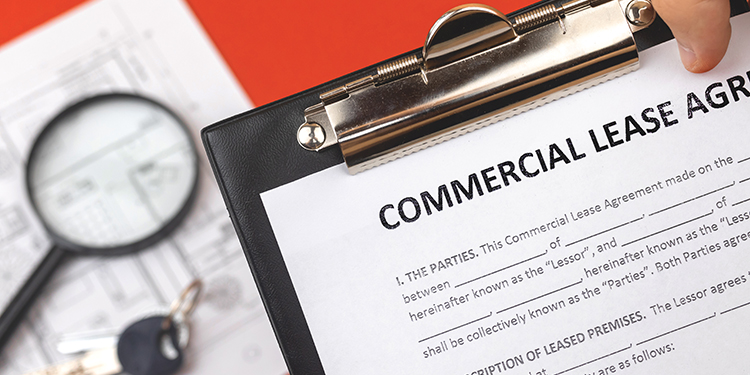

Understanding commercial property agreements is important, especially when selling a business, and any business owner should be able to distinguish between a sublease versus assignment. Subleasing allows the original tenant to lease space to another party, while retaining responsibility. In contrast, a lease assignment transfers all rights and obligations to the buyer. Properly handling these lease terms can impact the success of the sale and protects both parties' interests.
What Is Sublease?
A sublease occurs when a tenant (the sublessor) rents out all or part of the space currently leased for the business to another party (the subtenant or sublessee). In the case of a sublease, the original tenant remains responsible for the original lease terms and rent, as well as interactions with the landlord. The subtenant pays rent to the sublessor, who then pays the rent to the landlord. Subleasing can help cover costs if the original tenant no longer needs the space but can't break the lease for the rental property. It’s essentially like finding a replacement tenant with the landlord’s permission.
Subleasing is a better option in commercial real estate when a tenant anticipates returning to the property after a period of time or when a full lease transfer (assignment) isn’t feasible due to landlord restrictions or business needs.
What Is Lease Assignment?
A lease assignment occurs when a tenant (the assignor) transfers all rights and responsibilities under a lease to a new tenant (the assignee). Legally, the assignee steps into the original tenant's place, assuming obligations of the lease agreement like rent payments and property management. The original tenant is typically released from financial liability outlined in the terms of the lease, but this can vary depending on the lease terms.
Commercial lease assignment is preferable in scenarios involving a business sale, where the new owner needs to occupy the leased premises or when the original tenant can no longer fulfill the lease, but wants to avoid penalties. It’s best to connect with legal counsel who can help you navigate potential complexities or expected conflicts between landlord and tenant.
Comparing Sublease vs. Lease Assignment
When selling a business, knowing the key differences makes it easier to understand a commercial tenant’s rights. A sublease allows the seller to rent the property to the buyer, while retaining responsibility to the landlord. This option provides flexibility, but keeps the seller liable for lease terms. The buyer gains use of the space without full lease responsibility, making subleasing ideal if the seller plans to reoccupy the space or if the buyer only needs partial space in a rental unit.
In a lease assignment, the seller transfers all rights and responsibilities to the buyer, who then becomes the new tenant. This can streamline the sale process by removing the seller from ongoing obligations, but it requires the landlord’s consent and may involve complex negotiations. The buyer gains full control of the property, but it doesn’t require a new lease. Any existing lease terms would remain in effect.
Weighing Pros and Cons
Choosing between a sublease and lease assignment can significantly impact the business sale process and negotiations. A sublease can be quicker to arrange, but it often requires landlord approval, especially if the original lease may have restrictions. Subleasing can be complex, as the seller remains liable for the lease while the buyer becomes the subtenant.
Clear agreements are necessary to avoid disputes over responsibilities. Financial implications can be tricky as the seller needs to balance covering their costs while offering favorable terms to the buyer. Common challenges include difficult financial transitions, managing the direct relationships between the landlord and subtenant, and addressing potential conflicts over property use and maintenance.
Lease assignments generally require landlord approval, which can delay the sale timeline, especially if the landlord is hesitant or demands additional conditions. The process can even involve detailed negotiations to make sure the buyer is accepted as a new tenant, which may lead to challenges in aligning lease terms with the new buyer’s needs. An assignment might absolve the seller of future obligations, but any remaining lease conditions could affect the sale price or terms.
Handling Commercial Property During a Business Sale
When handling commercial property during a business sale, remember to carefully decide between sublease and lease assignment based on your objectives. Subleasing allows you to retain lease obligations while renting to a new tenant, often making the process quicker but requiring clear agreements on responsibilities. A lease assignment transfers all lease responsibilities to the buyer, necessitating landlord approval and review of lease clauses.
When it’s time to negotiate a rental agreement with the landlords, remember:
- Communication matters. Be sure to address any concerns or conditions.
- Negotiate wisely. The terms must align with both buyer’s and seller’s needs.
- Get the landlord’s permission. In nearly all cases, you’ll need to request approval for subleasing arrangements or lease assignments.
Legal due diligence is essential, too; thoroughly review lease clauses related to subletting restrictions, assignment rights, and termination conditions. If you’re properly prepared, you can prevent disputes, ensure compliance with lease terms, and mitigate financial and legal risks during the sale.
Consult with Professionals for a Smooth Transition
Navigating subleases and lease assignments can be complex. Consulting with real estate attorneys and business brokers is crucial to making informed decisions and ensuring a smooth transition. These professionals can provide expert guidance, help you understand lease terms, and negotiate favorable conditions.
For assistance in finding experienced business brokers, check out the BizBuySell Business Broker Directory.