

U.S. Government Shutdown Begins: What It Means for Small Businesses
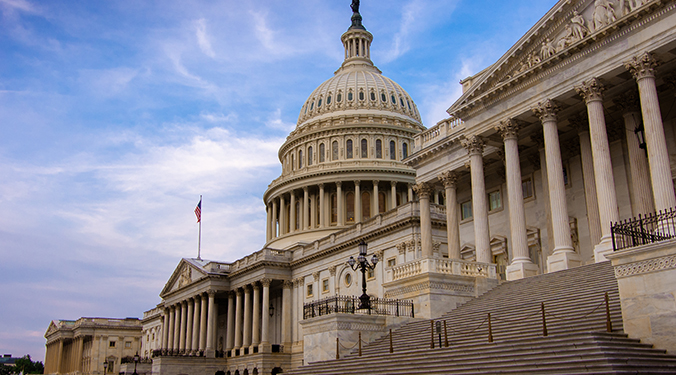
The United States government officially shut down at midnight on October 1, Congress failed to pass a funding resolution. As federal agencies begin to pause operations, small business owners are facing renewed uncertainty. Already challenged by inflation, labor shortages, and rising tariffs the shutdown adds another layer of disruption for Main Street businesses, especially those that rely on federal programs like the Small Business Administration (SBA).
How a Government Shutdown Impacts Small Businesses
With federal operations on pause, services that many small businesses depend on are now suspended. The effects vary by industry, but commonly include:
- Delayed payments and contracts: Businesses awaiting federal payments or contracts may face cash flow issues.
- Regulatory slowdowns: Approvals and inspections could be postponed, affecting production and supply chains.
- Reduced consumer confidence: Economic uncertainty may dampen consumer spending, which is already under pressure from inflation and declining savings rates.
- Labor challenges: Hiring remains difficult for many small businesses, and a shutdown could further complicate workforce planning.
Data Gaps Add to Economic Uncertainty
The shutdown has also halted operations at key federal agencies, including the Bureau of Labor Statistics. Without timely data on employment, wages, and inflation, the Federal Reserve faces added difficulty in assessing economic conditions even as it signals the potential for more rate cuts in 2025. This lack of visibility could delay decisions around interest rates, an issue that directly impacts small business owners seeking financing to buy an established business or those with existing loans looking for relief.
Financing Small Business Acquisitions During a Government Shutdown
One of the most significant concerns is the suspension of Small Business Administration (SBA) loan programs. SBA loans are an important funding source for entrepreneurs buying or selling businesses. With these programs paused, deals may stall and access to capital is limited.
Recent SBA loan changes, effective June 2025, have already introduced stricter equity requirements and reduced loan sizes, making financing more complex even before the shutdown. In response, business brokers and owners are turning to creative deal structures — such as seller financing, earnouts, and structured installment sales — to keep transactions moving forward.
Navigating Uncertainty with Support
In the current economic and political climate, working with a business broker is more important than ever. Brokers can help buyers and sellers structure deals that work despite financing challenges and economic volatility. According to BizBuySell’s latest Insight Report, deal-making has become more innovative as buyers and sellers adapt to rising interest rates and valuation shifts.
Whether you're buying, selling, or preparing your exit, staying informed and working with experienced professionals can help you navigate uncertainty and protect your business interests.
Find a Business Broker
To connect with a broker who can guide you through the buying or selling process, visit BizBuySell's Broker Directory.