

Federal Reserve's Interest Rate Projections: What Small Business Owners Need to Know
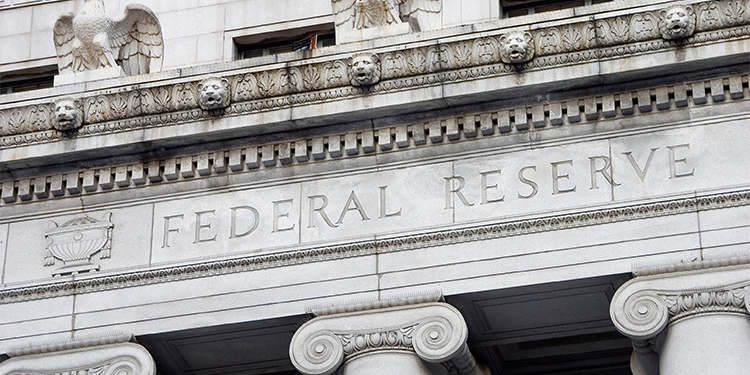
During the Federal Reserve’s most recent meeting and press conference, it was announced that interest rates would remain unchanged, and the Fed reiterated their goal of easing borrowing costs with three rate cuts by the end of the year. With interest rates currently at 5.3%, business owners anticipate potential reductions in borrowing expenses in 2024, as they continue grappling with the lingering effects of inflation. According to recent surveys conducted among small business owners, inflation continues to be a significant challenge, impacting operations, underscoring the importance of the Federal Reserve’s comments about hoping to cut rates three times in their effort to tame inflation.
Challenges Ahead: Inflation's Continued Impact on Small Businesses
As the Federal Reserve manages growth and inflation, raising interest rates over the last couple of years and maintaining these higher interest rates has helped to ease inflation. As they consider rate cuts to prevent a potential recession, their goal is to bring inflation to under 2%. After the Covid pandemic and lockdowns, inflation soared to a peak of 9% in 2022. Recent data from the Bureau of Labor Statistics shows inflation remains a concern with the consumer price index (CPI) rising 0.4% in February, marking a 3.2% increase from last year. Despite wage growth outpacing inflation, rising labor costs are putting pressure on businesses to adjust pricing, and raise costs, keeping the inflation trend going.
Survey Reveals: Inflation Tops List of Concerns for Small Businesses
In a recent survey from the National Federation of Independent Business (NFIB), small business owners report they continue to feel uneasy about inflation, with the financial issue topping the list of concerns for 23% of respondents. Inflation has overtaken labor issues, the previous month’s top concern, indicating the problem remains a top issue for Main Street businesses.
The NFIB survey also found that the net percentage of business owners raising average selling prices decreased by one point, marking its lowest level since January 2021. Despite the downward trend for pricing, respondents in finance, retail, construction, and services sectors reported plans for price hikes soon to combat inflationary concerns, illustrating the challenging task ahead for the Fed.
BizBuySell’s quarterly Insight Report, which tracks the health of the U.S. small business economy, underscores the challenges being faced by small business owners. Sixty-five percent of business owners surveyed about the state of affairs for small businesses report that in their experience inflation is not easing. Furthermore, opinions regarding the Federal Reserve’s handling of inflation are divided, with nearly 52% of respondents expressing the Fed is not doing a good job in easing inflation.
Small business owners eagerly await the Federal Reserve’s projected interest rate cuts, hoping for relief from inflationary pressures affecting their operations. With rising prices and wages squeezing their bottom line, the anticipated easing of interest rates could facilitate easier access to capital, enabling them to navigate economic challenges with renewed optimisim and foster business growth.
For more on economic trends impacting the business-for-sale marketplace, read BizBuySell's quarterly Insight Report.